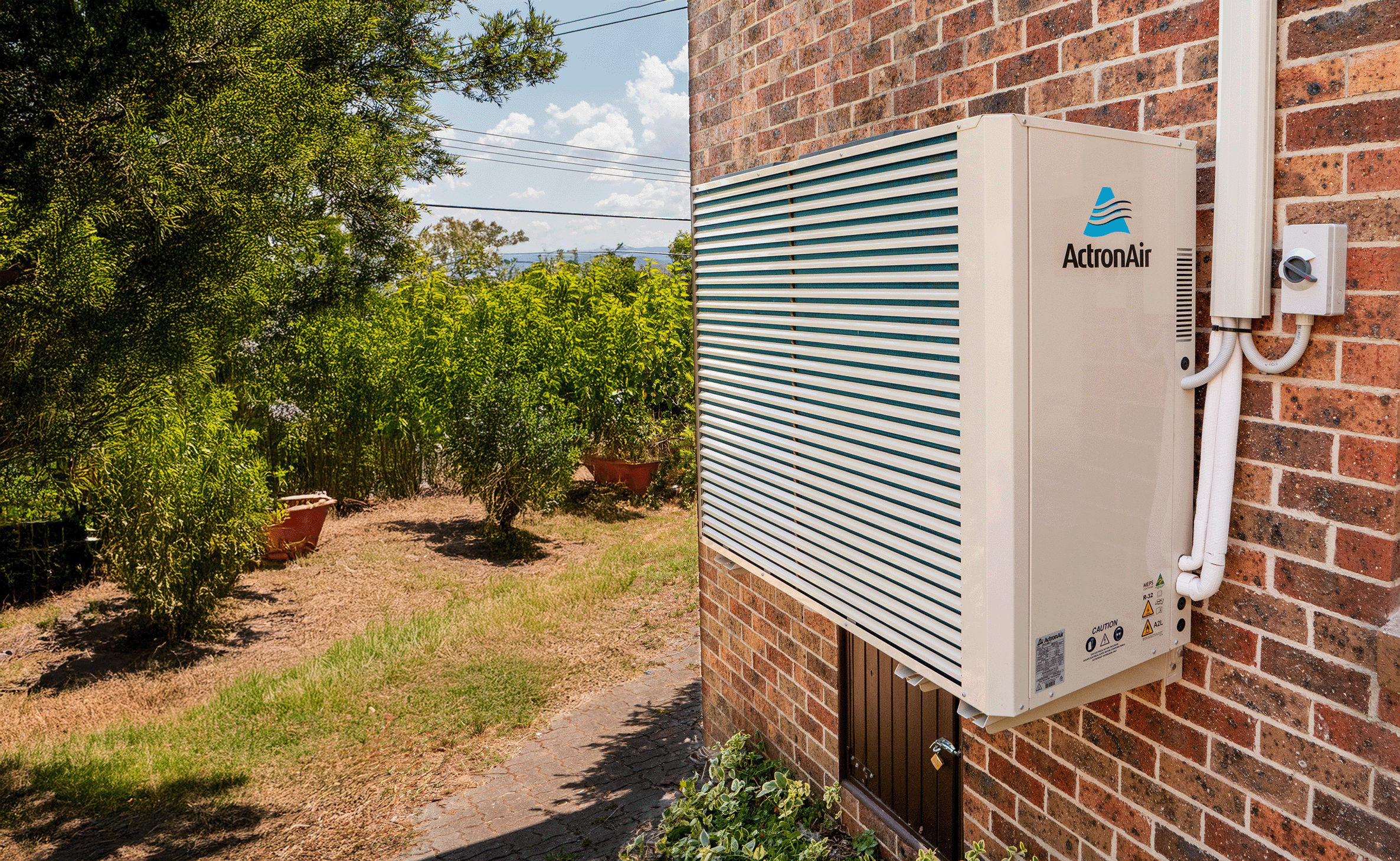
Sizing guidance for your air conditioning

Finding the perfect size to heat and cool your space efficiently.

Understanding Kilowatt (kW) Sizing

Air conditioning capacity is measured in kilowatts (kW). This number refers to the thermal output power, which is the actual amount of heating or cooling the unit produces for your home.

A common misunderstanding is that the kW rating shows how much electricity the unit uses. In reality, the electrical power needed to run the system is typically only about one third of the rated output. For example, a high quality system with a good Coefficient of Performance (COP) can turn 1kW of electricity into up to 4kW of heating or cooling in mild conditions, and 2 to 3kW in more extreme temperatures.

  • Output vs Input: Kilowatts measure the heating or cooling created for a room rather than the direct amount of electricity used.
  • Heating and Cooling Efficiency: Modern reverse cycle systems are highly efficient and often provide two to three times the performance of old gas or electric heaters.
  • Lower Running Costs: Because the electrical input is much lower than the rated output, these systems are a cost effective way to manage your home temperature.
  • Home Electrification: High efficiency ratings make these units a practical choice for home electrification as they provide significant comfort with low energy use.

Choosing the right setup for your home

Before looking at specific sizes, it is important to understand how air conditioning capacity is measured and applied to your layout. Selecting the right system depends on whether you are heating and cooling individual rooms with split systems or an entire property with a ducted system.

Finding the perfect match between your home’s volume and the unit’s power ensures you achieve the best balance of comfort and efficiency.

Sizing for Split Systems

Split systems are wall-mounted units designed to heat or cool one specific room at a time. Because these units come in set sizes, choosing the right kilowatt capacity depends on the size of the room and how you use the space. A unit that is too small will struggle to reach the right temperature, while a unit that is too large will turn on and off too often, which is less efficient.
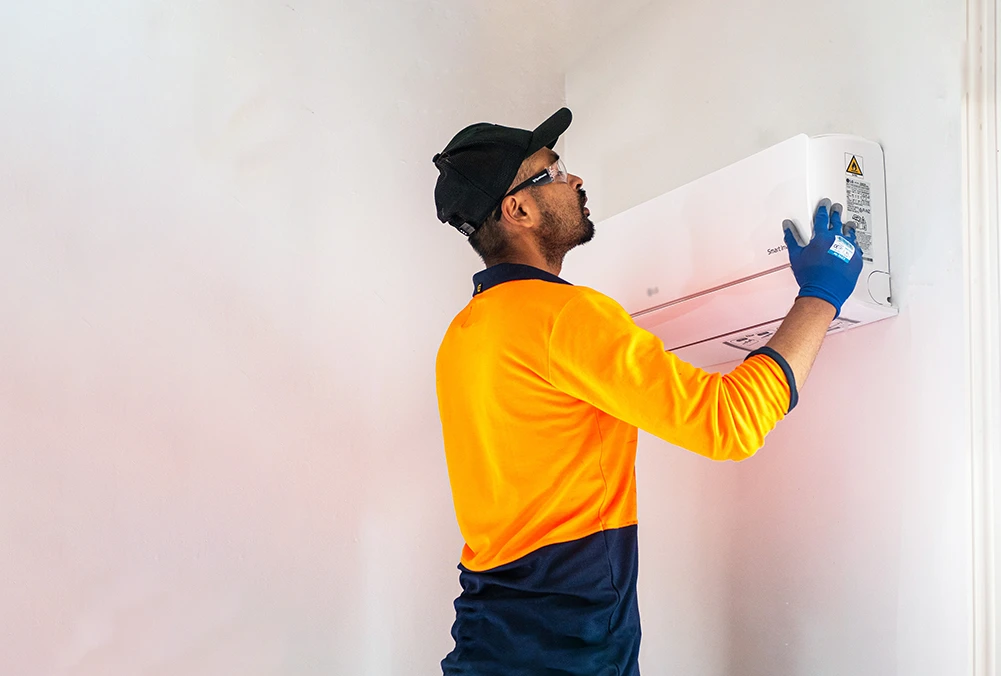
  • 2kW to 3kW Units: These are generally designed for standard bedrooms, master bedrooms, or home studies.
  • 5kW Units: These are a good fit for small lounge rooms, dining areas, or very large bedrooms.
  • 7kW Units: These are best suited for open living areas or large lounge spaces.
  • 8kW Units: These are intended for very large areas, such as a combined kitchen, dining, and living space that makes up a large part of the house.

Sizing for Ducted Systems

The general industry guideline for ducted systems is 125 to 150 watts per square metre of conditioned floor area. Where you live matters: Canberra’s cold winters push sizing toward the higher end of that range, while the South Coast’s milder climate sits lower. Ceiling height, insulation quality, and how many rooms you run at once all shift the number up or down.
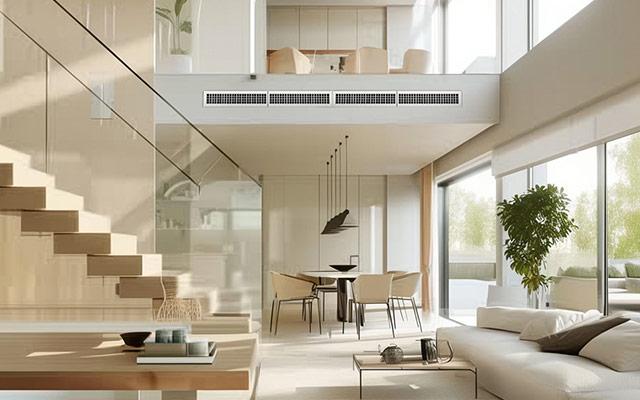
  • Conditioned Area: Only include rooms that will have active air vents in your measurements to avoid paying for a unit that is larger than you need.
  • Air Volume Factors: Houses with high ceilings require extra capacity because there is more air in the room to be conditioned.
  • Using House Plans: Providing your professional house plans is the most accurate way for us to determine the exact square meterage for your home.

Electrical Needs and Upgrades

The size of your air conditioning system affects your home electrical setup. Systems up to 17kW can usually run on a standard single-phase connection.

Larger units require a 3-phase power supply. If your home is currently single-phase, an upgrade may be needed. This is something we assess and plan with you during the design process, so that you get the full picture before starting your electrification journey.
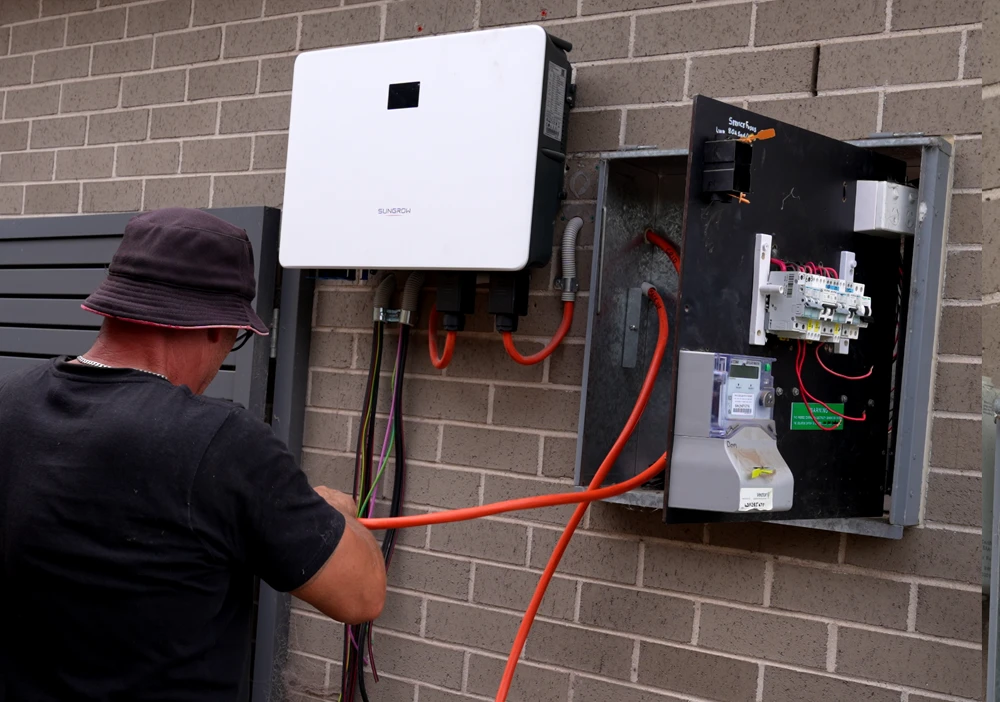
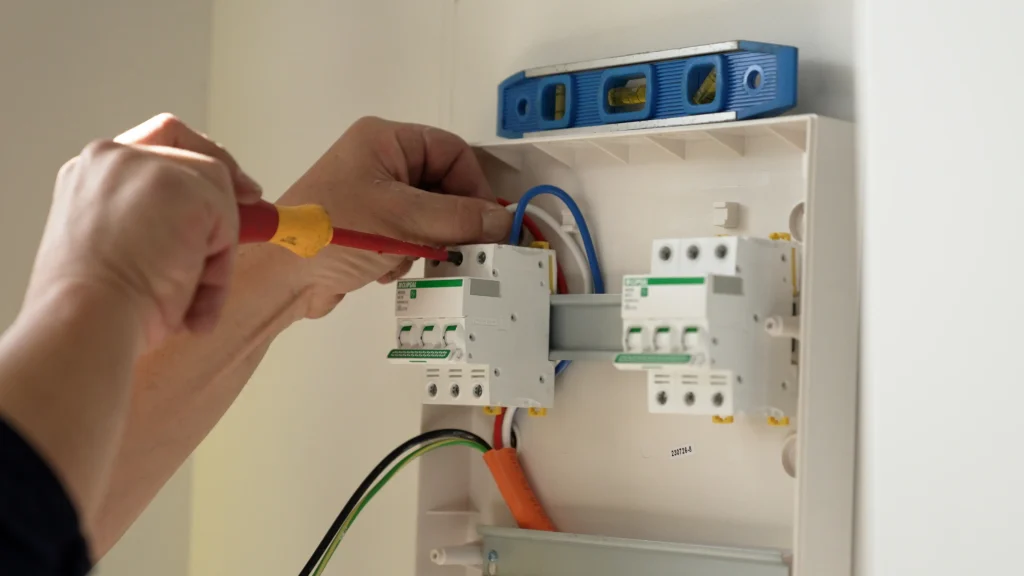
  • Single Phase vs Three Phase: Units up to 17kW are generally single-phase, while units 19kW and larger typically need a three-phase power supply.
  • Power Upgrades: Moving from single-phase to three-phase power is a significant electrical job that often costs anywhere between $3,000 to $10,000, depending on factors such as whether your distributor has 3-phase available on your street, the condition of your existing switchboard, and any trenching or cabling work required to bring the new supply to your home.
  • Zoning as an Alternative: Using premium zoning to turn off unused rooms can reduce the load on the system, sometimes allowing a smaller single-phase unit to do the job.
  • Flexible Performance: High-quality units that can turn their power down significantly stay efficient even when you are only heating or cooling a few rooms.

Need help finding the right size for your home?

Contact SolarHub for a free consultation and tailored quote.

🔔SolarHub named #1 Solar Retailer in the ACT and Top 5 Battery Installer in Australia🌞⚡

X
X