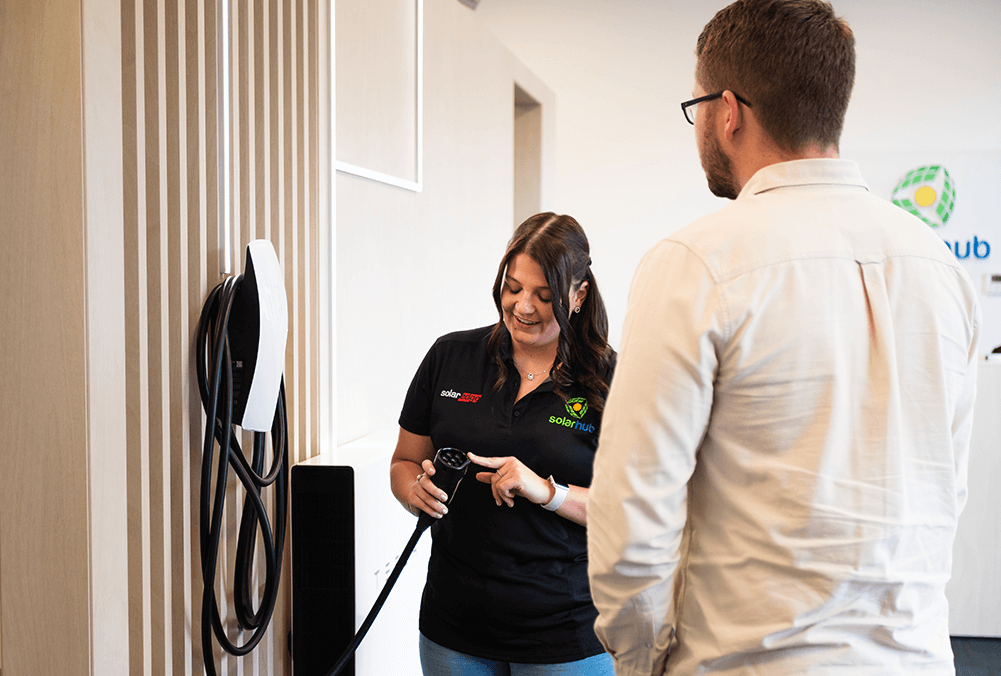
EV charging in Canberra and the ACT
EV charger installation in Canberra
Charge your EV from your own roof. SolarHub designs and installs home EV charging that works with your solar, your battery and your electricity plan.

More Canberra households are driving electric every month
Electric vehicles made up 25.8% of new car sales in Australia in the first half of 2026. In the ACT, one in 20 registered vehicles is now electric.
Most owners charge at home overnight. That makes the charger as important as the car. If you are buying an EV this year, plan the charger before the car arrives.
Range added per hour of charging
Up to, depending on the car.
25.8%
of new cars sold in Australia in the first half of 2026 were electric or plug-in hybrid.
1 in 20
vehicles registered in the ACT is now electric.
80%
of EV owners worldwide use overnight home charging as their main way to charge.
Charge from your roof, not the grid
Canberra gets over 2,800 hours of sunshine a year, more than Sydney or Melbourne. Your panels produce the most in the middle of the day. Most people are not home then, so that power goes to the grid.
ACT retailers set their own feed-in tariffs. Plans commonly pay between 4 and 8 cents for each kWh you export. Buying power back costs around 25 to 30 cents. Every kWh your car takes from your roof is worth the difference.
A solar-aware charger watches your surplus and sends it to the car. It follows the sun up and down, so a passing cloud does not pull power from the grid.
What one kWh is worth
Typical ACT plans in 2026. Bars show the top of each range. Check your own plan.

Three ways to charge, set from your phone
Most households use a mix. Your charger app lets you switch modes in a few taps, and we set the first schedule with you on the day.
The chargers we install
We install two chargers. Which one suits you depends on your car and your inverter.
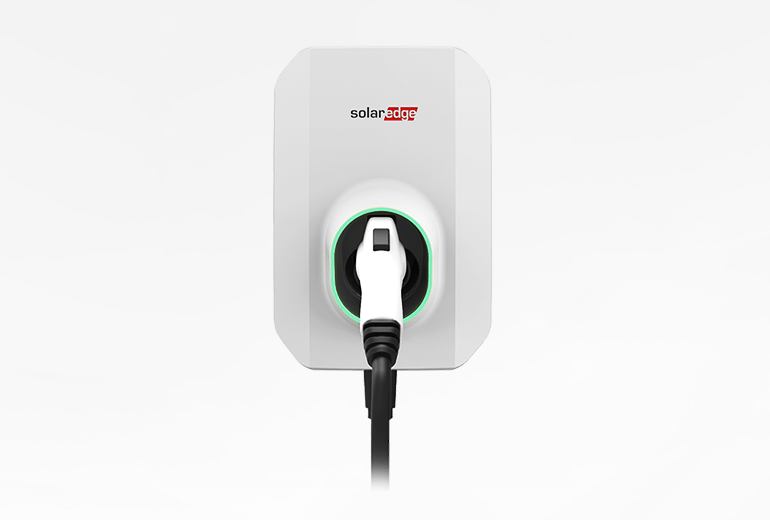
For homes with a SolarEdge inverter
SolarEdge Smart EV Charger
This charger talks directly to your SolarEdge inverter, so it knows how much surplus you have at any moment. We use it because the solar charging works without extra gateways or guesswork.
Worth knowing: the solar features rely on a SolarEdge inverter. On another inverter, we will tell you what works before you spend anything.
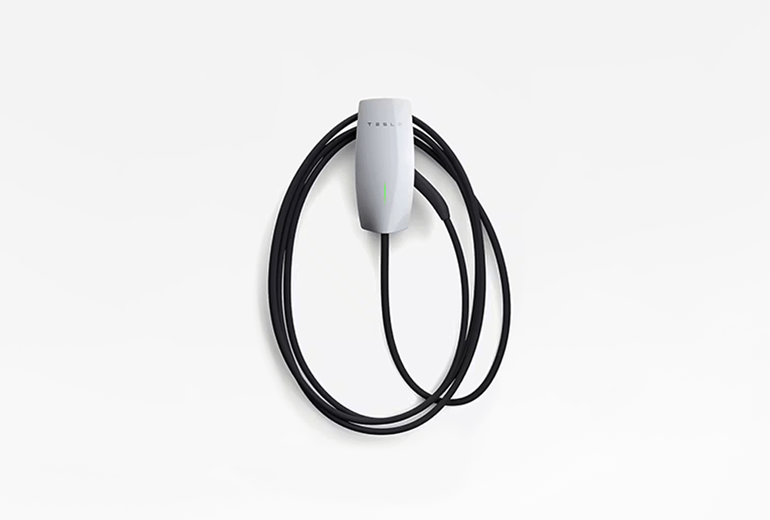
For Tesla drivers
Tesla Wall Connector
The third generation Wall Connector runs from the Tesla app you already use. It can charge from your solar, from the grid or from a Powerwall. We use it because it keeps the car and the home battery in one app.
Worth knowing: it is made for Tesla vehicles. If you drive something else, talk to us before you choose a charger.
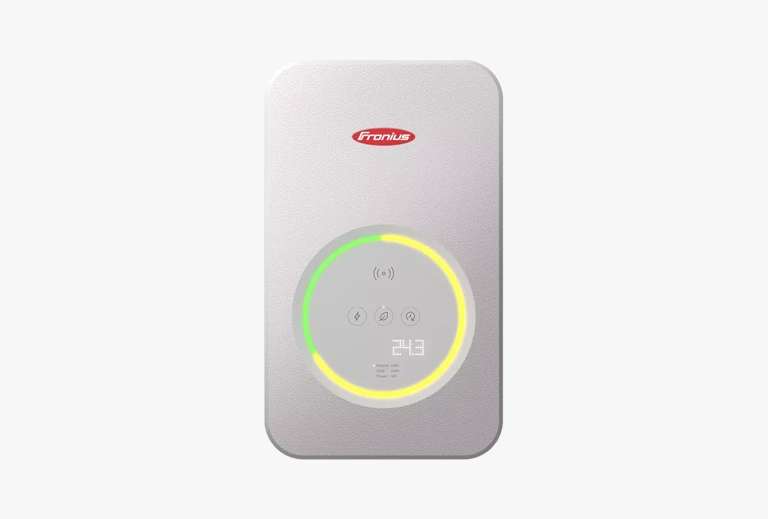
For homes with a Fronius inverter
Fronius Wattpilot Flex
The Wattpilot Flex talks to your Fronius inverter to find your solar surplus, then charges with it. It can start on about 1.4 kW of surplus and switches between single and three phase as the sun changes.
Worth knowing: the solar features need a compatible Fronius inverter and smart meter, plus a reliable internet connection.
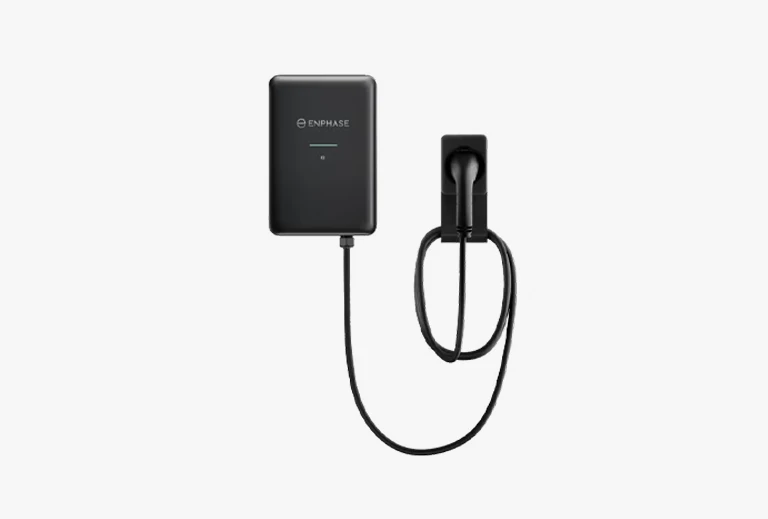
For homes with Enphase
Enphase IQ EV Charger 2
A tethered charger that adjusts to your solar surplus, even in low light, and switches phases as production changes. It also balances your home loads against the car, which can help you avoid a switchboard upgrade. We install it for homes that already run Enphase.
Worth knowing: Enphase says it also works with other home energy systems through an IQ Gateway. We check your setup before we quote.

For Sigenergy systems and other inverters
Sigen EV AC Charger
A smart, affordable home charger with scheduling and adjustable power settings. On its own it suits tariff-shifting and solar charging alongside other brands of system. Paired with a Sigenergy Energy Controller, it adds excess solar charging, solar boost and fast charging.
Worth knowing: the extra solar modes need a Sigenergy Energy Controller. Without one, expect schedules and power limits.

For SigenStor homes that want speed
Sigen EV DC Charger
This DC charger plugs into a SigenStor system and delivers up to 25 kW. Home AC charging tops out at around 11 kW for most EVs, so DC can refill a battery much faster. It charges from solar, the battery or the grid. We install it for households that want speed and one system managing everything.
Worth knowing: it needs a SigenStor system. It is built to be ready for vehicle-to-home and vehicle-to-grid, but those features are not available yet and depend on future Australian standards. We confirm your car’s compatibility before we quote.
The charger is the smallest part of the system
The saving comes from what sits behind it. Pick the starting point that matches your home and we will quote the whole job together.
While we are on site, ask about heat pump hot water. It is another big daytime user of your solar, and it can sit under the same finance limit.
Ask
EV charger questions, answered
How much does it cost to install an EV charger in Canberra?
It depends on the charger, your switchboard, the cable run and your phase supply. We give you a written quote after a home assessment. Low and zero-interest loans may be available, depending on where you live.
Do I need a dedicated charger, or is a power point enough?
A power point adds up to about 15 km of range per hour. The average Canberran drives about 40 km a day, so it can cover light use. A 7 kW charger adds up to about 40 km per hour and fills a standard EV in roughly 6 to 9 hours. Older homes can have wiring that is not suited to long charging from a power point, so get it checked.
Can I charge my EV from solar panels?
Yes. A solar-aware charger sends your surplus to the car and adjusts as the sun changes. It works best when the car is home in the day. On winter days with less surplus, the charger can top up from the grid at your cheapest rate or from a battery.
Do I need three phase power for an EV charger?
No. A single phase charger of around 7 kW suits most homes and most overnight charging. You need three phase only for 11 kW or more, and many EVs cannot use the full speed anyway.
Is there a rebate or loan for a home EV charger in the ACT?
There is no federal rebate for home chargers as of mid-2026, but state loans can help. In the ACT, the Sustainable Household Scheme offers loans of $2,000 to $20,000 at 3% over up to 10 years. In NSW, the Home Energy Saver Loan offers $2,000 to $15,000 at 0% interest over up to 10 years, for households earning up to $210,000. Both cover EV chargers. Lending criteria apply.
Does Canberra's cold weather affect EV charging?
Cold weather reduces range, so a frosty winter uses more energy per kilometre. Parking in a garage or carport helps, and ACT advice is to protect your EV from temperature extremes. Schedule charging so the car is ready before your morning drive.
Which EV charger should I choose?
Match it to your car and your inverter. Tesla drivers should look at the Tesla Wall Connector. A SolarEdge inverter pairs with the SolarEdge Smart EV Charger, and a Fronius inverter pairs with the Fronius Wattpilot. A Sigenergy system or another inverter brand suits the Sigen EV AC Charger. If you have a SigenStor and want DC speed, look at the Sigen EV DC Charging Module. Not sure? Ask us.
Can I install a charger in a rental or apartment?
Yes in some cases, but you need approval from your landlord or body corporate first. Tell us about your building and we will say what is practical.