Your air conditioning installation process

It's installation day. What's involved.
Understanding the Installation Process

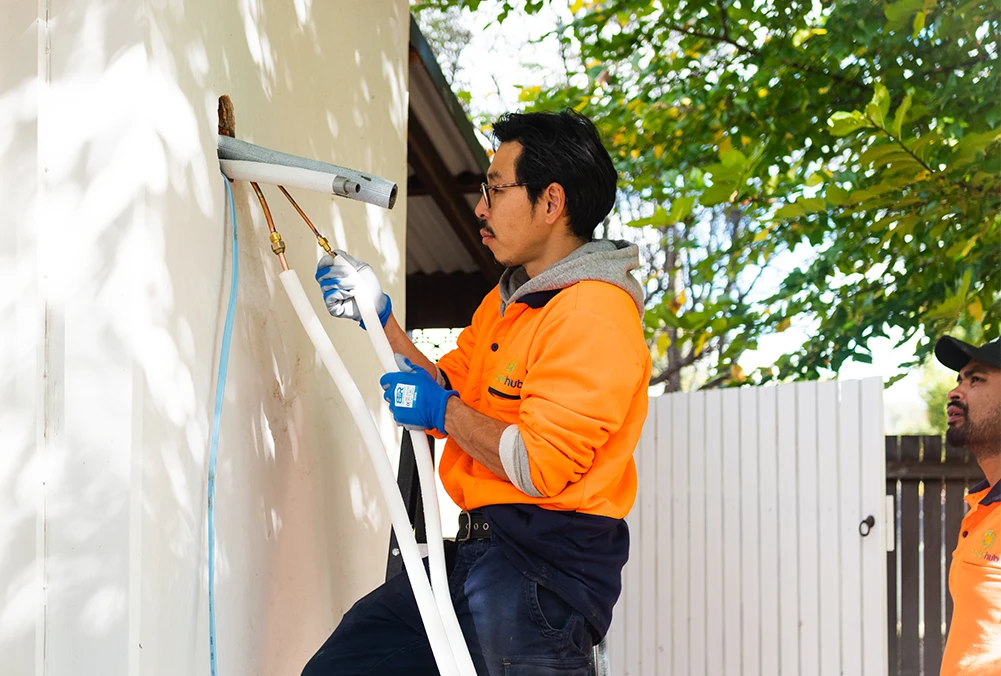
Installing a new air conditioning system is a detailed technical project that involves connecting indoor units to outdoor compressors.

A standard wall mounted split system typically takes a few hours to install. Whole home ducted systems are more complex, generally taking between half a day and a full day depending on the size of the unit and the accessibility of the house.

Every installation requires a team including a qualified electrician and a licensed refrigeration technician to ensure the system is wired correctly and the refrigerant lines are safely primed.

  • Specialised Trades: Professional setup requires both an electrician and a refrigeration technician to handle the complex wiring and gas lines.
  • Refrigerant Pipework: Indoor and outdoor components are linked by copper pipes that circulate refrigerant to create heating or cooling.
  • System Drainage: Indoor units produce condensation while running, requiring drains that lead to your gutters or the ground.
  • Dedicated Circuits: New air conditioners typically require their own dedicated electrical circuit back to your main switchboard.

Outlets and Ducting

When moving from gas heating to a reverse cycle system, your existing air vents play a major role in your home comfort. We typically reuse existing gas outlet locations because they are already placed near windows to block outside heat or cold.

However, the old gas ductwork must be replaced with new, larger, and better insulated R1.5 rated ducts. This is because modern air conditioners move a much higher volume of air than old gas heaters—up to 1500 litres per minute compared to around 700 litres—so the ducts need to be bigger to handle the flow. We also remove old gas outlets and replace them with larger outlets to manage the increased airflow.
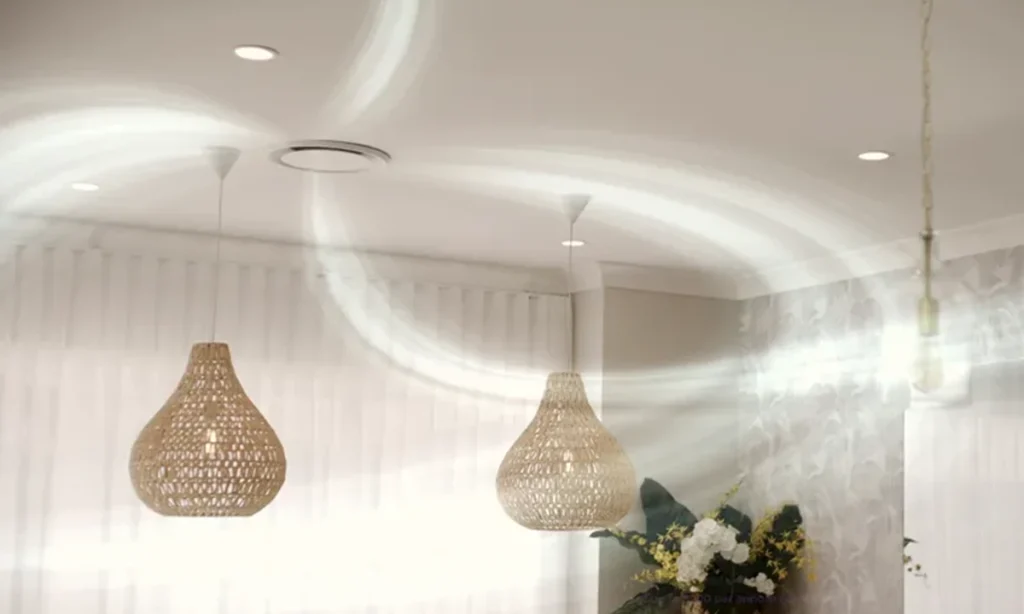
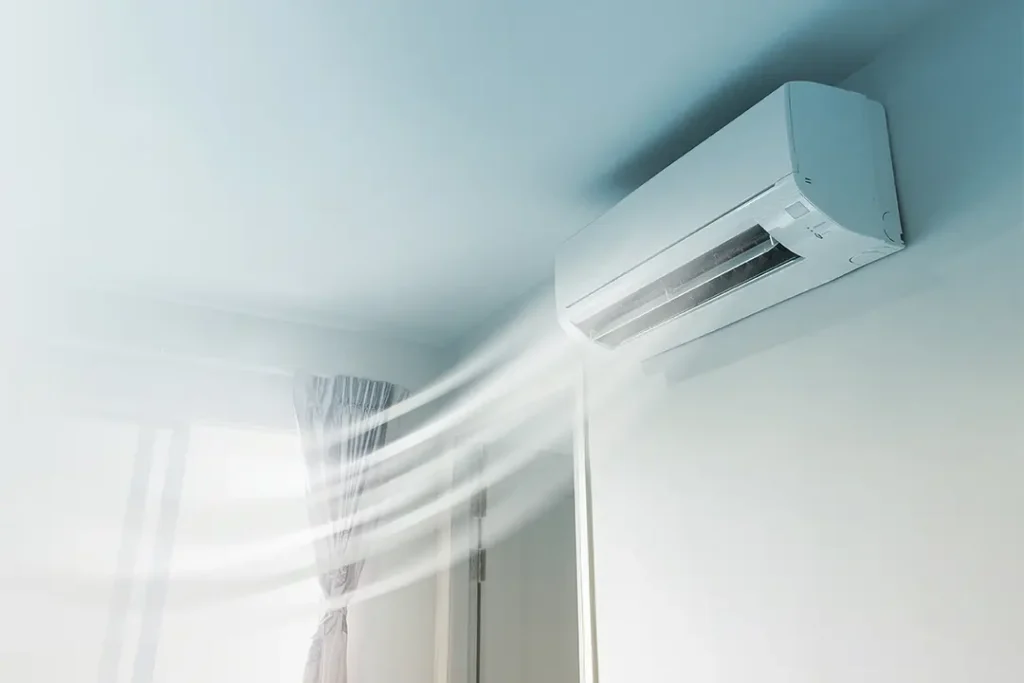
  • Window Placement: We place vents near windows to reject heat or cold before it spreads through the room.
  • Replacing Old Ducts: We remove old gas ductwork because it is too small for the high airflow required by modern electric systems.
  • High Quality Insulation: New ductwork is rated at R1.5, which is thicker and more efficient than the standard insulation used by many other installers.
air conditioner

Removing Evaporative Systems

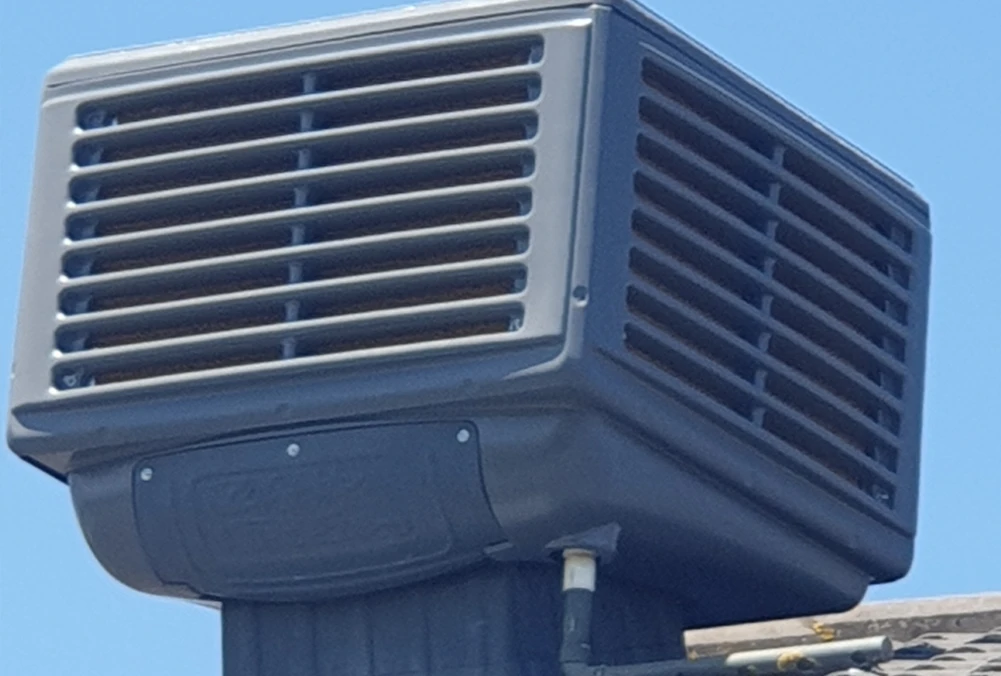
If you are switching from evaporative cooling to reverse cycle air conditioning, the old system usually needs to be removed entirely.

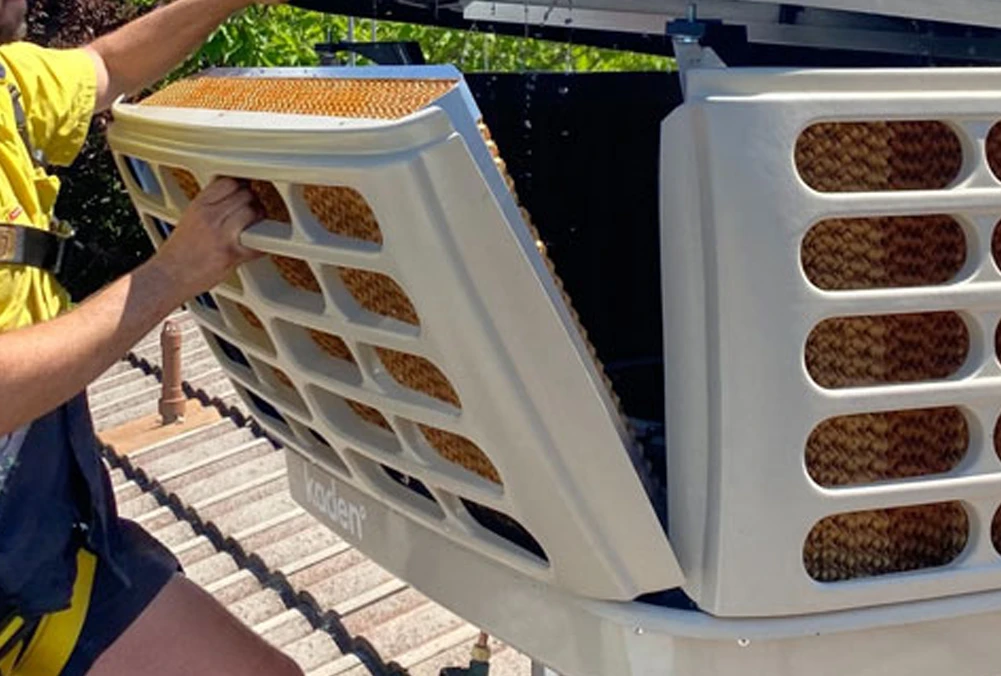
Evaporative coolers use very large ducts and vent positions that are often in the middle of a room, which does not work well for refrigerated air. Removing the old bulky ducts also creates the necessary space in your ceiling for the new system to be installed properly.

  • Complete Removal: Because of required space in the ceiling, we generally “bin” the old evaporative system during installation.
  • Roof Restoration: For tile roofs, we will need about 20 spare tiles to fill the hole left by the old rooftop unit. This is usually supplied by you, and we can help you source them with some local suppliers.
  • Vent Holes: You can choose to cap old vents and leave them in the ceiling, or have them removed, though patching and painting the ceiling is a separate task.

Finding the Right Outdoor Location

Selecting the best spot for your outdoor compressor is essential for efficiency and keeping on good terms with your neighbours.

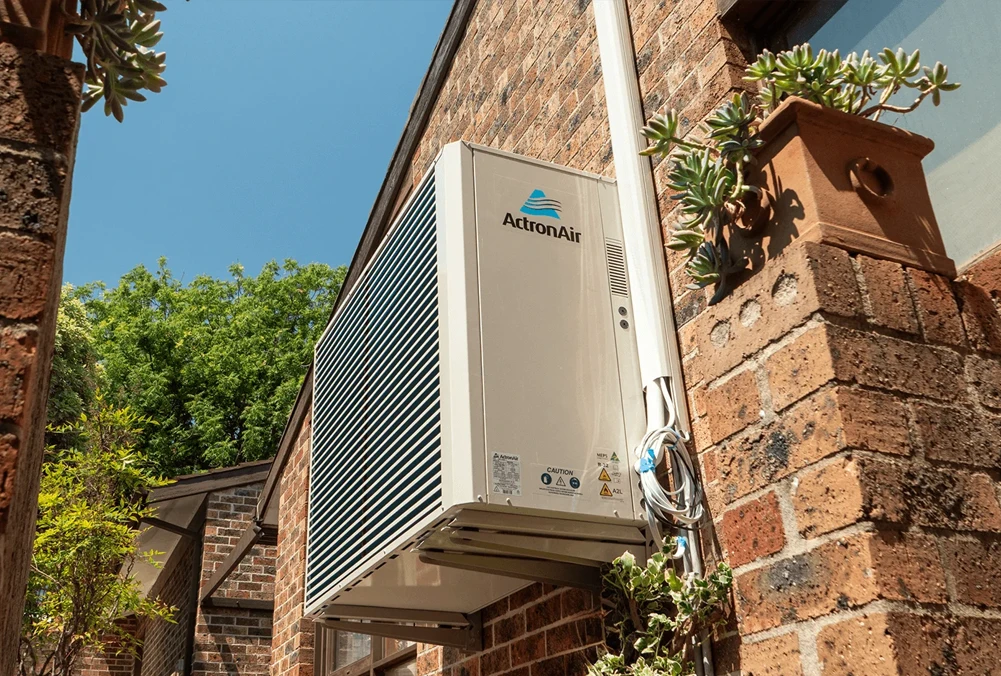
Outdoor units do produce some noise, so placement matters. We avoid tight spaces near fences and bedroom windows to keep things comfortable for everyone.

We look for locations that allow the unit to “breathe” with plenty of open space for airflow.
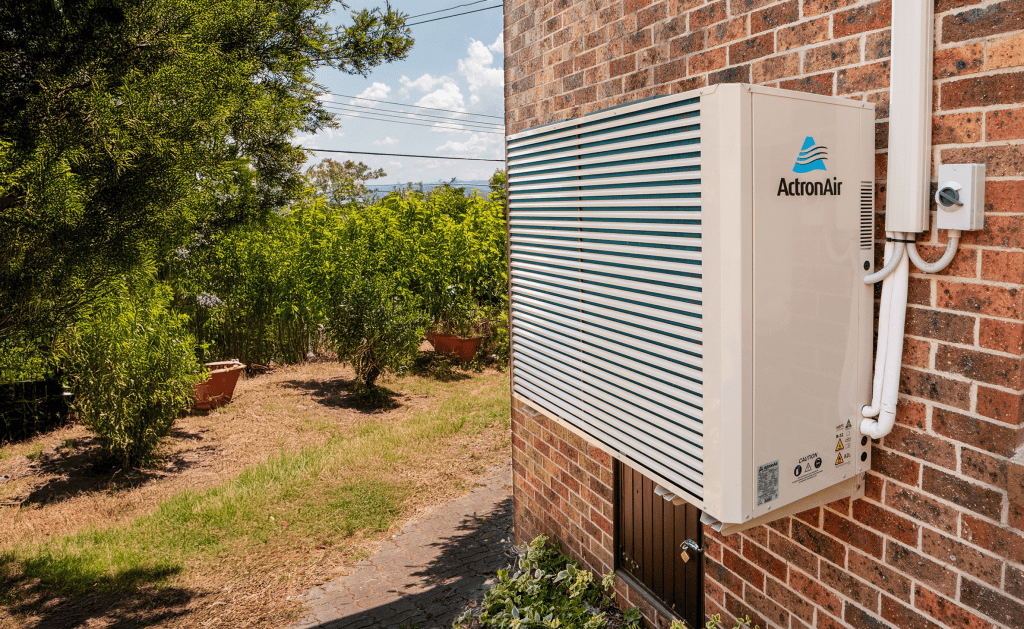
  • Noise Considerations: Outdoor units produce some noise, so we aim to place them away from bedroom windows, both yours and your neighbours’, and keep distance from boundary fences where possible.
  • Airflow Clearance: Units need space; if placed too close to a fence, the air will bounce back, making the system work much harder and less efficiently.
  • Sideways vs Upwards Air: Standard units blow air sideways (horizontal discharge), while ActronAir Advance units blow air upwards (vertical discharge), which is quieter and better for narrow spaces.

Looking to install air conditioning to your home?

Contact SolarHub for a free consultation and tailored quote.

🔔SolarHub named #1 Solar Retailer in the ACT and Top 5 Battery Installer in Australia🌞⚡

X
X